
Is Krav Maga Good for Beginners?
Krav Maga Global New Zealand teaches a system built to be accessible from day one. You do not need martial arts experience, exceptional fitness, or natural athleticism to start. Good beginner training meets people where they are and builds skill, confidence, and fitness progressively — which is why many students find Krav Maga one of the more approachable places to begin practical self-defence.
Beginners usually are not only asking whether they can physically do Krav Maga. They are often asking several things at once: Will I be out of my depth? Will everyone else be more experienced? Will it feel too intense? Will I actually learn something useful early on, or will it all feel confusing at first?
Those are reasonable questions. The short answer is that Krav Maga often suits beginners well precisely because the system is designed around practical movement, clear principles, and gradual progression — not around prior experience or performance for its own sake.
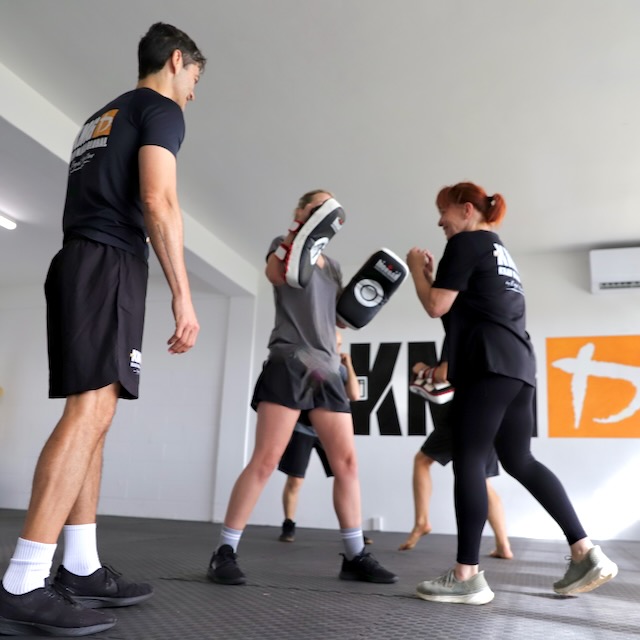
KMG New Zealand instructors are trained to introduce beginners to core concepts step by step, building skill and confidence progressively.
Why Krav Maga often suits beginners well
Krav Maga is not beginner-friendly because it is easy. It is beginner-friendly because the learning process is more direct and more practical than people usually expect.
It starts from practical movement
Good beginner training focuses on simple, useful actions rather than highly stylised sequences. That makes early progress feel more tangible for people with no previous experience.
No fight background needed
Many people begin with zero martial arts experience. Classes introduce core concepts step by step rather than assuming students already know how to move, strike, or defend.
Confidence builds early
Because the focus is on practical skills and clear principles, beginners often feel they are learning something meaningful from the start — not waiting a long time before training feels relevant.
Fitness develops alongside skill
You do not need to arrive in top condition. Many beginners improve their fitness through training itself, which is one reason Krav Maga appeals to people who want both capability and conditioning.
Do you need martial arts experience before you start?
No — one of the strengths of Krav Maga is that it works well for people starting from scratch. The training is structured around clear principles, manageable drills, and practical movement patterns. Beginners are not expected to spar, perform complex combinations, or move like experienced martial artists from day one.
That does not mean progress happens automatically. It still takes time, repetition, and practice. But the starting point is accessible — which matters for people who would otherwise feel intimidated by traditional martial arts or combat sports environments.
The early goal is not to look advanced
It is to understand core ideas, move with more confidence, and begin developing useful responses in a structured environment. Everything else builds from that foundation.
What makes beginner training work well?
Good beginner self-defence training should feel progressive, not random or overly aggressive. Techniques are introduced in a logical order, pressure is built gradually rather than all at once, and instructors help students focus on fundamentals before adding complexity.
This structure matters because beginners are learning more than physical movements. They are also developing awareness, posture, balance, and the composure to keep functioning when things feel unfamiliar. That broader development starts from the very first session — it does not wait until someone has been training for months.
The KMG New Zealand instructor team is trained to introduce these concepts in a way that makes sense for people with no prior background, while keeping the progression consistent with the wider KMG curriculum used internationally.
Key takeaway: structured, progressive teaching is what separates training that works for beginners from training that overwhelms them.How does Krav Maga compare for beginners?
People often compare Krav Maga with traditional martial arts and combat sports when deciding where to start. The most useful frame is not which approach is universally better, but which best matches your goal.
| Starting point | Krav Maga | Traditional Martial Arts | Combat Sports |
|---|---|---|---|
| Main goal | Personal safety and practical response | Tradition, discipline, technical development | Performance and competitive success |
| Beginner experience | Direct and accessible for people with no background | Structured but can feel formal — progress tied to belt/grading | Effective, but often more physically demanding from the start |
| Training context | Reality-based self-defence scenarios and principles | Dojo-based, style-specific methods | Ring, mat, or gym-based sport environment |
| Best fit for | People who want practical self-defence from the start | People drawn to long-term tradition and structured study | People who enjoy competition and live sparring |
The important point
This does not mean one approach is right for everyone. It means Krav Maga often stands out for beginners who want training that feels practical, relevant, and directly connected to self-defence from day one.
Common beginner concerns — answered
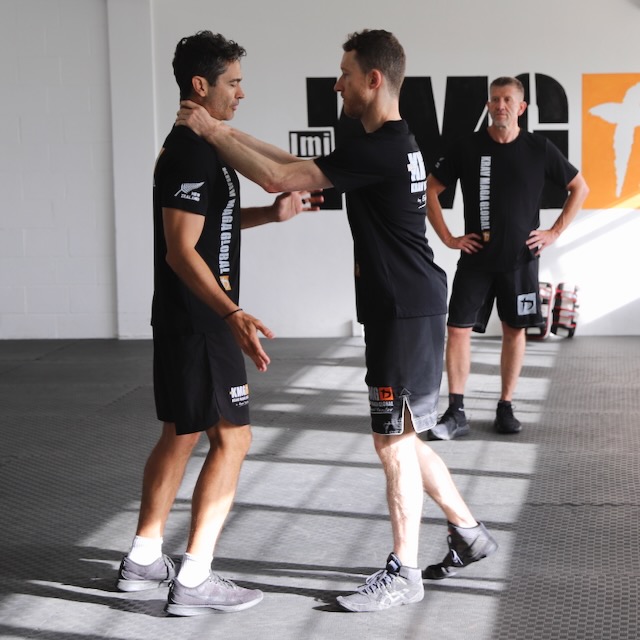
Classes mix students at different stages — every experienced student started as a beginner.
"I'm not fit enough yet"
You do not need to be in shape before you start. Many people build their fitness through training itself. Conditioning develops alongside skill — not as a prerequisite for it.
"Everyone else will be more experienced"
Every class has people at different stages. Every experienced student was once a beginner. Good coaching helps new students learn without feeling left behind by those further along.
"It might be too intense"
Challenge is part of the process, but good beginner training builds intensity progressively. The aim is to develop confidence and capability — not to overwhelm people in the first few sessions.
"What if I'm not naturally coordinated?"
Coordination improves through repetition and practice. You do not need to move perfectly on day one. The point of training is to get better — not to arrive already polished.
How progression works for beginners
One of the reasons Krav Maga works well for beginners is that early skills connect directly to later development. Basic strikes, movement, posture, and defensive concepts are not separate from the rest of the system — they are the foundation for it.
Beginners are not wasting time on disconnected exercises. They are building the base that later supports more complex training, more pressure, and more varied scenarios. Progress feels continuous because each stage of learning genuinely prepares for the next.
For the bigger picture of how those principles fit together, How Krav Maga Works is the best next read.
Who Krav Maga is a good beginner choice for
- People with no martial arts background who want a practical entry point.
- Adults who want self-defence training that feels relevant from the beginning.
- People who want to build confidence and fitness alongside useful skills.
- Beginners who prefer clear, structured learning over highly formal or highly competitive settings.
It may be less ideal for someone whose primary goal is sport competition from day one. But for practical self-defence, it is a strong place to start. For more on the broader question of who the system suits, read Who Krav Maga Is For.
So, is Krav Maga good for beginners?
Yes. For many people, it is one of the better beginner options because it focuses on practical skills, steady progression, and learning that feels relevant early on.
You do not need to arrive with experience, high fitness, or natural confidence. Those things develop through training. What matters more is starting in an environment that is well structured, well taught, and designed to help beginners build capability over time.
If you want the bigger system picture, Is Krav Maga Effective? and How Krav Maga Works are the best next reads. For the fitness side, Krav Maga Fitness covers what to expect.
What beginners ask about starting Krav Maga
Yes. Krav Maga is designed to be accessible for people with no martial arts background. Classes introduce core concepts step by step, and beginners are not expected to have prior experience in striking, grappling, or any other system.
The early learning curve is manageable for most people. Krav Maga emphasises simple, gross motor movements that are easier to access under pressure — which also makes them more straightforward to learn at the beginning. Skill develops through repetition over time, not overnight.
No. Many beginners build their fitness through training itself. You do not need to reach a fitness threshold before starting — the conditioning develops alongside the self-defence skills over time.
Because KMG emphasises practical principles from the start, many beginners notice a shift in awareness, movement, and basic defensive understanding within the first few months of consistent training. Real capability develops over time, but early sessions are meaningful — not just warm-up periods.
It depends on your goal. If you want practical civilian self-defence from the start, Krav Maga is often a stronger fit because it is built around real-world scenarios rather than sport rules or traditional forms. If your main interest is competition, boxing or karate may suit you better.
Active KMG training is currently available in Auckland and Hastings. The national locations page connects you to the full network, including waitlist registrations for cities where courses are being developed.
Find Training Near You
If you are ready to take the first step, the national locations page connects you to active KMG training options across New Zealand.