
← Back to Self-Defence Concepts
Self-Defence Concepts

Situational Awareness for Beginners

In Brief

Krav Maga Global New Zealand treats situational awareness as the first layer of self-defence — not a bonus skill for advanced students. Good awareness gives you more time, more options, and more control before anything physical needs to happen. For most beginners, learning to notice earlier is one of the fastest and most practical improvements they can make.

Situational awareness is one of the most important self-defence skills a beginner can develop — not because it helps you win a confrontation, but because it helps you notice problems earlier, create options sooner, and avoid situations becoming physical at all.

For most people, this is not about becoming paranoid or suspicious of everyone around them. It is about building a calm, practical habit of noticing what is happening so you are less easy to surprise and better prepared to act early if something feels off.
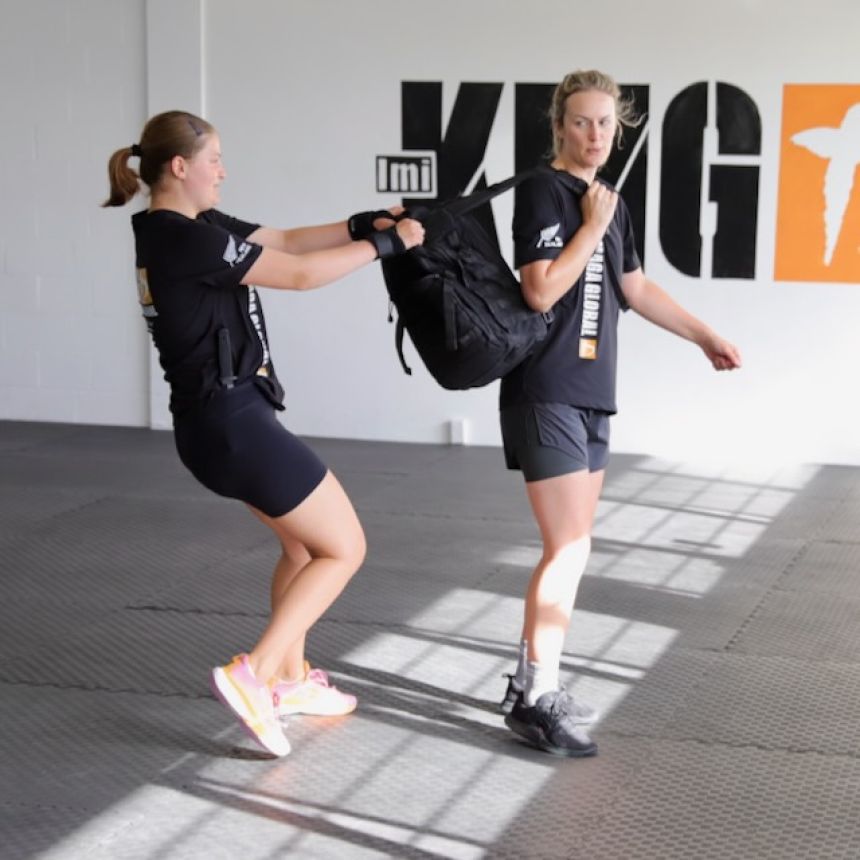
KMG New Zealand class working on structured drills — building foundation skills in a progressive training programme

Structured foundation drills in KMG New Zealand class — situational awareness is introduced alongside physical skills from the first session.

The skill many people overlook

When people think about self-defence, they often picture strikes, escapes, or physical techniques. But in many situations, the most important self-defence decisions happen much earlier than that.

Noticing someone following your movement. Seeing that a car park is poorly lit before you walk into it distracted. Recognising that someone is closing distance in a way that feels wrong. Choosing to move, leave, or create space before the situation develops further. These are all self-defence decisions — and they all depend on awareness, not physical skill.

That is why situational awareness matters so much. It gives you a better chance of spotting risk earlier and making better choices while you still have options.

Key takeaway: in many situations the most important self-defence decision is made before anything physical begins.

What situational awareness actually means

For beginners, situational awareness can be understood simply: knowing what is happening around you, noticing what matters, and recognising when something deserves more attention.

It is not about scanning every room like a security professional or expecting danger everywhere. It is more like keeping your head up, noticing the people and environment around you, and being switched on enough to pick up things that feel unusual, out of place, or worth avoiding.

A useful way to think about it

Situational awareness is not fear — it is awareness plus options. The earlier you notice something, the more choices you usually have.

The awareness spectrum: from switched off to ready to act

A helpful way for beginners to understand situational awareness is to think of it as a spectrum rather than a simple on-or-off switch. The goal is not to be tense all the time. The goal is to spend less time switched off and more time calmly aware.

Switched off

Distracted, buried in a phone, lost in thought, or moving through space without noticing what is around you. Most people spend more time here than they realise.

Calmly aware

The target state for everyday life. Relaxed, not stressed, but taking in your surroundings — noticing exits, people nearby, and anything that feels out of place without becoming tense or overwhelmed.

Paying close attention

Something specific has caught your attention. It may not be a threat, but it is enough to make you focus more closely, change your position, or think through your options.

Acting now

A threat feels clear enough that you need to do something immediately — leaving, creating distance, using your voice, moving toward other people, or responding physically if there is no safer option.

The beginner goal

Most people do not need to become hyper-alert. They simply need to spend more of their day in a calm, aware state instead of moving through public spaces completely switched off.

Why awareness matters before anything physical

Physical self-defence is important, but it is usually the last layer — not the first. Situational awareness gives you the chance to use earlier layers of self-protection before things develop further.

That might mean recognising a poor position and moving somewhere safer. It might mean choosing not to wear headphones while walking to your car late at night. It might mean spotting someone's repeated focus on you and deciding to change direction or move toward other people.

These decisions often look small, but they are powerful because they happen while you still have time and space to act. That is exactly what The Krav Maga Self-Defence Timeline is built around — awareness and avoidance come first, and physical response is always the last resort.

Key takeaway: awareness gives you options. The earlier you notice something, the more of those options remain available.

What beginners should actually pay attention to

A lot of advice tells people to "be aware" without explaining what to notice. That makes the idea feel vague. In practice, beginners can keep it simple by focusing on four things:

People

Notice who is around you, who is close, who seems focused on you, and who is behaving in a way that feels out of place for the environment.

Space and exits

Know where you can move if you need more distance, a better position, or a quick exit — in shops, car parks, public transport, and venues.

Changes from normal

Ask yourself what feels normal for this location and time. Anything that clearly breaks that baseline deserves a little more attention.

Your own position

Are you boxed in? Distracted? Standing too close to someone? Walking into a blind area without looking? Awareness includes where you are and how easy you are to approach or surprise.

Five simple habits beginners can start this week

Easy situational awareness drills for daily life

Situational awareness improves with repetition, just like any other skill. Beginners do not need special equipment or formal training sessions to start building it.

The exit habit

Whenever you enter a building, quickly note the nearest obvious exit and one secondary option. You do not need to obsess over it — just start noticing it automatically.

The detail check

Look at a person for a few seconds, then look away and see what you can remember: shirt colour, height, build, hair, a bag, glasses, or anything distinctive. This improves observation without turning people into threats by default.

The "what if?" question

In a calm way, occasionally ask yourself what your first move would be if a person nearby became aggressive or if you suddenly needed to leave quickly. The point is not fear — it is making your options easier to access when you need them.

Key takeaway: awareness is a skill that improves with repetition. Small daily habits compound into a meaningfully different level of readiness.

Prepared, not paranoid

This is one of the most important points for beginners. Situational awareness should not make life feel smaller, more fearful, or more stressful. Done properly, it does the opposite.

Good awareness is calm. It does not assume that everyone is dangerous. It simply reduces distraction and improves your ability to notice things earlier. In that sense, it is closer to wearing a seatbelt than expecting a crash every time you drive.

The balance point

If the idea feels overwhelming, simplify. Keep your head up, reduce distractions, notice exits, and pay attention to anything clearly unusual. That alone is already a major improvement over being completely switched off.

How situational awareness fits into Krav Maga training

One of the reasons situational awareness matters so much in Krav Maga is that self-defence is not treated as only a physical skill. Awareness, positioning, avoidance, verbal boundary-setting, and early decision-making are all part of the system.

That is one reason Krav Maga can feel different from purely sport-based training. The goal is not only to perform well in a controlled setting. It is to improve how people manage risk and respond under pressure in real life — and awareness is where that starts.

The KMG New Zealand instructor team introduces awareness concepts alongside physical skills from the beginning, so students understand from early on that self-defence is about the whole situation, not just the moment of contact.

If you want to understand that broader approach, How Krav Maga Works and Is Krav Maga Effective? are the best next reads.

Situational awareness is a habit, not a personality type

You do not need to be naturally suspicious, highly experienced, or intensely tactical to improve your situational awareness. You just need to build a few small habits that help you notice more, sooner.

For beginners, that is one of the most valuable places to start — because it creates real improvement in personal safety immediately, before any physical training has even begun.

FAQ

What beginners ask about situational awareness

Situational awareness in self-defence means knowing what is happening around you, noticing what matters, and understanding when something deserves more attention. It is not paranoia — it is the calm habit of staying switched on so you have more time and more options if something develops.

Yes. KMG treats awareness as the first layer of self-defence, not an optional add-on. The system is built around the whole timeline of a threatening situation — awareness and avoidance come first, and physical response is always the last resort.

Start with small daily habits: head up and phone away when moving between places, noticing exits when you enter a new space, trusting early discomfort rather than waiting for certainty, and avoiding positions where you are boxed in or easy to surprise. Awareness improves with repetition like any other skill.

No — done correctly it is the opposite. Good situational awareness is calm and practical, not fearful or anxious. It means noticing what is around you without assuming everything is a threat. Most people find that building awareness actually reduces anxiety, because they feel less reactive and more in control.

Because awareness works immediately, before physical training has had time to develop. A beginner who notices warning signs early and moves to a safer position has already made a meaningful self-defence decision — and that skill can improve from the very first day, with no prior training required.

Active KMG training is currently available in Auckland and Hastings. The national locations page connects you to the full network, including waitlist registrations for cities where courses are being developed.

KMG New Zealand

Build Awareness and Practical Self-Defence Skills Together

Find your nearest active KMG training option and see how awareness, avoidance, and practical self-defence are taught as a complete system.

Self-Defence Concepts

Situational Awareness for Beginners

In Brief

Krav Maga Global New Zealand treats situational awareness as the first layer of self-defence — not a bonus skill for advanced students. Good awareness gives you more time, more options, and more control before anything physical needs to happen. For most beginners, learning to notice earlier is one of the fastest and most practical improvements they can make.

Situational awareness is one of the most important self-defence skills a beginner can develop — not because it helps you win a confrontation, but because it helps you notice problems earlier, create options sooner, and avoid situations becoming physical at all.

For most people, this is not about becoming paranoid or suspicious of everyone around them. It is about building a calm, practical habit of noticing what is happening so you are less easy to surprise and better prepared to act early if something feels off.

KMG New Zealand class working on structured drills — building foundation skills in a progressive training programme

Structured foundation drills in KMG New Zealand class — situational awareness is introduced alongside physical skills from the first session.

The skill many people overlook

When people think about self-defence, they often picture strikes, escapes, or physical techniques. But in many situations, the most important self-defence decisions happen much earlier than that.

Noticing someone following your movement. Seeing that a car park is poorly lit before you walk into it distracted. Recognising that someone is closing distance in a way that feels wrong. Choosing to move, leave, or create space before the situation develops further. These are all self-defence decisions — and they all depend on awareness, not physical skill.

That is why situational awareness matters so much. It gives you a better chance of spotting risk earlier and making better choices while you still have options.

Key takeaway: in many situations the most important self-defence decision is made before anything physical begins.

What situational awareness actually means

For beginners, situational awareness can be understood simply: knowing what is happening around you, noticing what matters, and recognising when something deserves more attention.

It is not about scanning every room like a security professional or expecting danger everywhere. It is more like keeping your head up, noticing the people and environment around you, and being switched on enough to pick up things that feel unusual, out of place, or worth avoiding.

A useful way to think about it

Situational awareness is not fear — it is awareness plus options. The earlier you notice something, the more choices you usually have.

The awareness spectrum: from switched off to ready to act

A helpful way for beginners to understand situational awareness is to think of it as a spectrum rather than a simple on-or-off switch. The goal is not to be tense all the time. The goal is to spend less time switched off and more time calmly aware.

Switched off

Distracted, buried in a phone, lost in thought, or moving through space without noticing what is around you. Most people spend more time here than they realise.

Calmly aware

The target state for everyday life. Relaxed, not stressed, but taking in your surroundings — noticing exits, people nearby, and anything that feels out of place without becoming tense or overwhelmed.

Paying close attention

Something specific has caught your attention. It may not be a threat, but it is enough to make you focus more closely, change your position, or think through your options.

Acting now

A threat feels clear enough that you need to do something immediately — leaving, creating distance, using your voice, moving toward other people, or responding physically if there is no safer option.

The beginner goal

Most people do not need to become hyper-alert. They simply need to spend more of their day in a calm, aware state instead of moving through public spaces completely switched off.

Why awareness matters before anything physical

Physical self-defence is important, but it is usually the last layer — not the first. Situational awareness gives you the chance to use earlier layers of self-protection before things develop further.

That might mean recognising a poor position and moving somewhere safer. It might mean choosing not to wear headphones while walking to your car late at night. It might mean spotting someone's repeated focus on you and deciding to change direction or move toward other people.

These decisions often look small, but they are powerful because they happen while you still have time and space to act. That is exactly what The Krav Maga Self-Defence Timeline is built around — awareness and avoidance come first, and physical response is always the last resort.

Key takeaway: awareness gives you options. The earlier you notice something, the more of those options remain available.

What beginners should actually pay attention to

A lot of advice tells people to "be aware" without explaining what to notice. That makes the idea feel vague. In practice, beginners can keep it simple by focusing on four things:

People

Notice who is around you, who is close, who seems focused on you, and who is behaving in a way that feels out of place for the environment.

Space and exits

Know where you can move if you need more distance, a better position, or a quick exit — in shops, car parks, public transport, and venues.

Changes from normal

Ask yourself what feels normal for this location and time. Anything that clearly breaks that baseline deserves a little more attention.

Your own position

Are you boxed in? Distracted? Standing too close to someone? Walking into a blind area without looking? Awareness includes where you are and how easy you are to approach or surprise.

Five simple habits beginners can start this week

  • Head up, phone away in transition spaces. When moving between places — shop to car, office to street — keep your attention on your environment rather than your screen.
  • Notice exits when you enter. In any new space, quickly register the most obvious way out and one alternative if possible.
  • Avoid getting boxed in. If you have a choice, stand where you can move freely and see more of the environment around you.
  • Trust early discomfort. If someone or something feels off, you do not need to wait for certainty before creating distance or moving somewhere safer.
  • Check behind you naturally. Use reflections, windows, and normal scanning rather than dramatic head-turning.

Easy situational awareness drills for daily life

Situational awareness improves with repetition, just like any other skill. Beginners do not need special equipment or formal training sessions to start building it.

The exit habit

Whenever you enter a building, quickly note the nearest obvious exit and one secondary option. You do not need to obsess over it — just start noticing it automatically.

The detail check

Look at a person for a few seconds, then look away and see what you can remember: shirt colour, height, build, hair, a bag, glasses, or anything distinctive. This improves observation without turning people into threats by default.

The "what if?" question

In a calm way, occasionally ask yourself what your first move would be if a person nearby became aggressive or if you suddenly needed to leave quickly. The point is not fear — it is making your options easier to access when you need them.

Key takeaway: awareness is a skill that improves with repetition. Small daily habits compound into a meaningfully different level of readiness.

Prepared, not paranoid

This is one of the most important points for beginners. Situational awareness should not make life feel smaller, more fearful, or more stressful. Done properly, it does the opposite.

Good awareness is calm. It does not assume that everyone is dangerous. It simply reduces distraction and improves your ability to notice things earlier. In that sense, it is closer to wearing a seatbelt than expecting a crash every time you drive.

The balance point

If the idea feels overwhelming, simplify. Keep your head up, reduce distractions, notice exits, and pay attention to anything clearly unusual. That alone is already a major improvement over being completely switched off.

How situational awareness fits into Krav Maga training

One of the reasons situational awareness matters so much in Krav Maga is that self-defence is not treated as only a physical skill. Awareness, positioning, avoidance, verbal boundary-setting, and early decision-making are all part of the system.

That is one reason Krav Maga can feel different from purely sport-based training. The goal is not only to perform well in a controlled setting. It is to improve how people manage risk and respond under pressure in real life — and awareness is where that starts.

The KMG New Zealand instructor team introduces awareness concepts alongside physical skills from the beginning, so students understand from early on that self-defence is about the whole situation, not just the moment of contact.

If you want to understand that broader approach, How Krav Maga Works and Is Krav Maga Effective? are the best next reads.

Situational awareness is a habit, not a personality type

You do not need to be naturally suspicious, highly experienced, or intensely tactical to improve your situational awareness. You just need to build a few small habits that help you notice more, sooner.

For beginners, that is one of the most valuable places to start — because it creates real improvement in personal safety immediately, before any physical training has even begun.

FAQ

What beginners ask about situational awareness

Situational awareness in self-defence means knowing what is happening around you, noticing what matters, and understanding when something deserves more attention. It is not paranoia — it is the calm habit of staying switched on so you have more time and more options if something develops.

Yes. KMG treats awareness as the first layer of self-defence, not an optional add-on. The system is built around the whole timeline of a threatening situation — awareness and avoidance come first, and physical response is always the last resort.

Start with small daily habits: head up and phone away when moving between places, noticing exits when you enter a new space, trusting early discomfort rather than waiting for certainty, and avoiding positions where you are boxed in or easy to surprise. Awareness improves with repetition like any other skill.

No — done correctly it is the opposite. Good situational awareness is calm and practical, not fearful or anxious. It means noticing what is around you without assuming everything is a threat. Most people find that building awareness actually reduces anxiety, because they feel less reactive and more in control.

Because awareness works immediately, before physical training has had time to develop. A beginner who notices warning signs early and moves to a safer position has already made a meaningful self-defence decision — and that skill can improve from the very first day, with no prior training required.

Active KMG training is currently available in Auckland and Hastings. The national locations page connects you to the full network, including waitlist registrations for cities where courses are being developed.

KMG New Zealand

Build Awareness and Practical Self-Defence Skills Together

Find your nearest active KMG training option and see how awareness, avoidance, and practical self-defence are taught as a complete system.